

The History of Komodo: A Journey Through Time
The History of Komodo – Komodo Island, home to the legendary Komodo dragon, is a place of mystery and wonder. This Indonesian Island has captivated explorers, scientists, and nature lovers for centuries. In this article, we’ll dive into the fascinating history of Komodo, from its discovery to its status as a UNESCO World Heritage Site.
The Discovery of Komodo
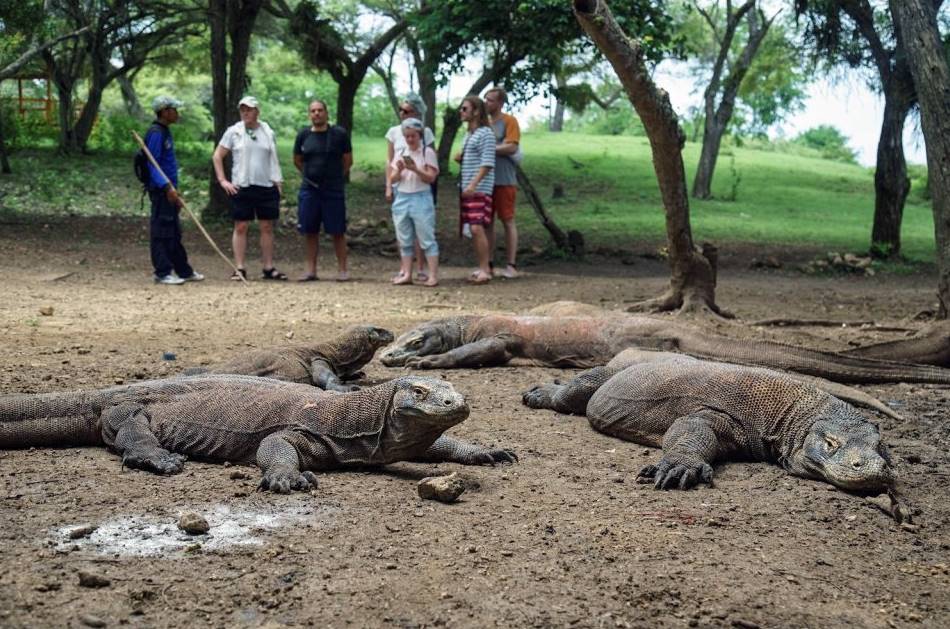
The world first learned about Komodo dragons in 1910, when Dutch colonial officer Lieutenant Steyn van Haasbroek led an expedition to Komodo Island after hearing local tales of giant lizards. This discovery sparked scientific interest, leading zoologist Peter Ouwens to publish the first scientific description of the Komodo dragon in 1912.
The History of Komodo Migration and Evolution
The Komodo dragon (Varanus komodoensis) is one of the most fascinating reptiles in the world, known for its massive size, powerful bite, and unique evolutionary history. But how did these giant lizards end up on a few isolated islands in Indonesia? Their journey spans millions of years and involves dramatic shifts in Earth’s geography.

Origins in Australia
Fossil evidence suggests that the ancestors of Komodo dragons originated in Australia around “40 million years ago”. These early monitor lizards thrived in the warm forests of the ancient supercontinent Gondwana. Australia has a rich fossil record of giant monitor lizards, including Megalania prisca, which grew up to 7 meters long.
The Establishment of Komodo National Park
Recognizing the importance of preserving this unique species, conservation efforts began early:
- 1938: Parts of Komodo and Rinca Islands were declared nature reserves.
- 1977: UNESCO designated the area as a Biosphere Reserve.
- 1980: Komodo National Park was officially established.
- 1991: The Park was recognized as a UNESCO World Heritage Site, highlighting its global significance.
Komodo’s Unique Ecosystem
Komodo National Park is more than just a home for dragons—it boasts a diverse ecosystem with savannah landscapes, coral reefs, and mangrove forests. The Park is also home to 5,700 Komodo dragons, making it a crucial site for scientific research on evolution.
Komodo’s history is a testament to nature’s wonders and the importance of conservation. From its discovery in the early 20th century to its recognition as a world heritage site, Komodo remains one of Indonesia’s most treasured destinations.
Komodo and Tourism
Tourism plays a significant role in Komodo National Park, where visitors come to see the legendary Komodo dragons in their natural habitat. While tourism boosts conservation funding and local economies, it must be carefully managed to prevent harm to the dragons and their environment. Strict regulations, such as limiting visitor numbers and prohibiting close interactions, help protect these endangered reptiles from excessive human disturbance. Sustainable tourism ensures that future generations can continue to witness the incredible Komodo dragons while preserving their delicate ecosystem.
Here are some Komodo Island tour packages available on Hello Flores Tours:
- Komodo Island Tour: A package that includes visits to Komodo National Park, Pink Beach, Padar Island, and other scenic spots. It offers options for daily tours, private tours, and sailing tours.
- Komodo Daily Trip: A one-day fast boat tour covering Padar Island, Pink Beach, Komodo Island, Takamakassar, and Manta Point. Ideal for travelers with limited time.
- Komodo Tour Package (3 Days, 2 Nights): A multi-day sailing adventure that includes snorkeling, island hopping, and visits to Komodo Island, Padar Island, and Kalong Island for sunset views.
Komodo Island’s history is a remarkable journey from scientific discovery to global recognition. The Komodo dragon, a relic of ancient evolution, has thrived on Indonesia’s isolated islands, adapting to its unique environment. Conservation efforts, including the establishment of Komodo National Park, play a vital role in protecting these endangered reptiles and their ecosystem. Tourism, while beneficial for funding and awareness, must be managed responsibly to ensure long-term sustainability. As one of Indonesia’s most treasured natural sites, Komodo continues to be a symbol of biodiversity and the importance of preservation. – The History of Komodo